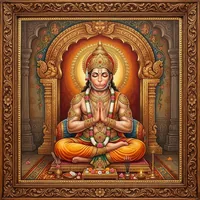
Sankat Mochan Hanuman Ashtak
Choose Printable A4 PDF Format (Free Vector Downloads)
Publication-grade vector PDFs with crisp Indic typography, Gita Press recension alignment, and balanced print margins for daily contemplation and temple altars.
Standard Awadhi Devanagari text with complete Dohas and Chaupais.
पाण्डुलिपि एवं पाठ-समीक्षा (Scholarly Textual Apparatus)
Shri Hanuman Padavali & Stotra Sangraha, Gita Press Gorakhpur (Code 418); Goswami Tulsidas' Sankat Mochan Hanumanashtak.
Tulsi Ghat Kashi manuscript register; Benares Hindu University Sanskrit Manuscript Collection (MS. BHU-728).
Mattagayanda Chhanda (मत्तगयन्द सवैया - 23 syllables per pada, rhythmic structure of 7 Bha-ganas followed by two gurus [ऽ।। × 7 + ऽऽ]). Classical Raga: Raga Kafi / Raga Khamaj.
Verse 1: 'bāla samaya ravi bhakṣa liyo' vs 'bāla samaya ravi bhakṣi liyo' (grammatical Awadhi dialectical orthography).
॥ मुख्य पाठ (Sacred Verses) ॥
ताहि सों त्रास भयो जग को, यह संकट काहु सों जात न टारो॥
देवन आनि करी बिनती तब, छाँड़ि दियो रबि कष्ट निवारो।
को नहिं जानत है जग में कपि, संकटमोचन नाम तिहारो॥१॥
Tāhi soṁ trāsa bhayo jaga ko, yaha saṅkaṭa kāhu soṁ jāta na ṭāro ||
Devana āni karī binatī taba, chām̐ṛi diyo rabi kaṣṭa nivāro |
Ko nahiṁ jānata hai jaga meṁ kapi, saṅkaṭamocana nāma tihāro ||1||
In your childhood, mistaking the Sun for a sweet fruit, you leaped and swallowed it, plunging all three worlds into pitch darkness. The universe was terrified by this cosmic crisis which none could avert. When the gods gathered and prayed to you humbly, you released the Sun and removed the world's affliction. Who in this world does not know, O noble Kapi, that your name is the Deliverer from Distress?
चौंकि महामुनि साप दियो तब, चाहि कहूँ बिचार न धारो॥
कै द्विज रूप लिवाय मिले तिन, कीन्ही भली अति काज सँवारो।
को नहिं जानत है जग में कपि, संकटमोचन नाम तिहारो॥२॥
Cauṁki mahāmuni sāpa diyo taba, cāhi kahūm̐ bicāra na dhāro ||
Kai dvija rūpa livāya mile tina, kīnhī bhalī ati kāja sam̐vāro |
Ko nahiṁ jānata hai jaga meṁ kapi, saṅkaṭamocana nāma tihāro ||2||
Terrified of Vali, King Sugriva took refuge upon Mount Rishyamukha, watching with anxiety as two divine wanderers approached. Assuming the guise of a Brahmin, you met Lord Rama and Lakshmana, brought them to Sugriva, forged their alliance, and ensured the recovery of his kingdom and honour. Who in this world does not know, O noble Kapi, that your name is the Deliverer from Distress?
जीवत ना बचिहौ हम सो जु, बिना सुधि लाये यहाँ पगु धारो॥
हेरि थके तट सिन्धु सबै तब, लाय सिया-सुधि प्रान उबारो।
को नहिं जानत है जग में कपि, संकटमोचन नाम तिहारो॥३॥
Jīvata nā bacihau hama so ju, binā sudhi lāye yahām̐ pagu dhāro ||
Heri thake taṭa sindhu sabai taba, lāya siyā-sudhi prāna ubāro |
Ko nahiṁ jānata hai jaga meṁ kapi, saṅkaṭamocana nāma tihāro ||3||
Departing with prince Angada to search for Mother Sita, Sugriva warned: 'None of you shall return alive without news of Her!' Searching in vain until exhausted upon the ocean shore, the search party sat despondent. You crossed the ocean, discovered Sita's whereabouts, and saved the lives of all your companions. Who in this world does not know, O noble Kapi, that your name is the Deliverer from Distress?
ताहि समय हनुमान महाप्रभु, जाय महा रजनीचर मारो॥
चाहत सीय असोक सों आगि सु, दै प्रभु-मुद्रिका सोक निवारो।
को नहिं जानत है जग में कपि, संकटमोचन नाम तिहारो॥४॥
Tāhi samaya hanumāna mahāprabhu, jāya mahā rajanīcara māro ||
Cāhata sīya asoka soṁ āgi su, dai prabhu-mudrikā soka nivāro |
Ko nahiṁ jānata hai jaga meṁ kapi, saṅkaṭamocana nāma tihāro ||4||
When Ravana and the demonesses threatened Sita with death, Mother Sita in despair prayed to the Ashoka tree for embers to end Her life. At that very moment, dropping Lord Rama's signet ring into Her lap and vanquishing the demonic tormentors, you dispelled Her grief. Who in this world does not know, O noble Kapi, that your name is the Deliverer from Distress?
लै गृह बैद्य सुषेन समेत, तबै गिरि द्रोण सुबीर उपारो॥
आनि सजीवन हाथ दई तब, लछिमन के तुम प्रान उबारो।
को नहिं जानत है जग में कपि, संकटमोचन नाम तिहारो॥५॥
Lai gṛha baidya suṣena sameta, tabai giri droṇa subīra upāro ||
Āni sajīvana hātha da'ī taba, lachimana ke tuma prāna ubāro |
Ko nahiṁ jānata hai jaga meṁ kapi, saṅkaṭamocana nāma tihāro ||5||
When Ravana's son struck Lakshmana's chest with the lethal Shakti weapon, Lakshmana lay lifeless. You brought physician Sushena along with his dwelling from Lanka, and then uprooted Mount Dronagiri to fetch the Sanjivani herb, restoring Lakshmana's breath of life. Who in this world does not know, O noble Kapi, that your name is the Deliverer from Distress?
श्रीरघुनाथ समेत सबै दल, मोह भयो यह संसय भारो॥
आन खगेस तबै हनुमान जु, बंधन काटि सुत्रास निवारो।
को नहिं जानत है जग में कपि, संकटमोचन नाम तिहारो॥६॥
Śrīraghunātha sameta sabai dala, moha bhayo yaha saṁsaya bhāro ||
Āna khagesa tabai hanumāna ju, bandhana kāṭi sutrāsa nivāro |
Ko nahiṁ jānata hai jaga meṁ kapi, saṅkaṭamocana nāma tihāro ||6||
When in treacherous warfare Meghanada cast the dreadful serpent-noose (Nagapasha), binding Lord Rama, Lakshmana, and the entire army into unconscious despair, you invoked Garuda, king of birds, who severed the venomous bonds and removed all terror. Who in this world does not know, O noble Kapi, that your name is the Deliverer from Distress?
तात बिलम्ब भयो नहिं नेकहु, जाय तिन्हें तुम मारि निकारो॥
कालीहि भेटि कियो सब कौतुक, बंध बिछोरि सहाय सँवारो।
को नहिं जानत है जग में कपि, संकटमोचन नाम तिहारो॥७॥
Tāta bilamba bhayo nahiṁ nekahu, jāya tinheṁ tuma māri nikāro ||
Kālīhi bheṭi kiyo saba kautuka, bandha bichori sahāya sam̐vāro |
Ko nahiṁ jānata hai jaga meṁ kapi, saṅkaṭamocana nāma tihāro ||7||
When Ahiravana abducted Rama and Lakshmana to the netherworld (Patala) to sacrifice them before Goddess Mahakali, you flew there without a second's delay. Vanquishing Ahiravana and his subterranean sorceries, you severed the sacrificial bonds and brought the divine brothers safely back. Who in this world does not know, O noble Kapi, that your name is the Deliverer from Distress?
कौन सो संकट मोर गरीबहूँ, को जो नहिं तुमसों परै टारो॥
बेगि हरो हनुमान महाप्रभु, जो कछु संकट होय हमारो।
को नहिं जानत है जग में कपि, संकटमोचन नाम तिहारो॥८॥
Kauna so saṅkaṭa mora garībahūm̐, ko jo nahiṁ tumasoṁ parai ṭāro ||
Begi haro hanumāna mahāprabhu, jo kachu saṅkaṭa hoya hamāro |
Ko nahiṁ jānata hai jaga meṁ kapi, saṅkaṭamocana nāma tihāro ||8||
You accomplished the colossal, impossible tasks of the greatest gods! Look upon this humble devotee, O valiant Master, and consider: what trivial distress of mine is there that cannot be averted by your grace? Swiftly banish all my sorrows and tribulations, O Lord Hanuman! For who in this world does not know that your sacred name is the Deliverer from Distress?
॥ समापन दोहा (Concluding Couplet) ॥
बज्र देह दानव दलन, जय जय जय कपि सूर॥
Bajra deha dānava dalana, jaya jaya jaya kapi sūra ||
Your vermilion-hued form gleams with red radiance, with a red-tinted tail. Possessing a body as solid as a thunderbolt, the crusher of demonic forces, victory, all victory to you, the hero among monkeys!
Spiritual & Philosophical Insights
The Eight Great Deliverances (Ashta Sankat Nivaran)
Each of the eight verses commemorates an impossible cosmic crisis resolved by Lord Hanuman: 1) Swallowing and releasing the Sun to restore cosmic light; 2) Shielding Sugriva and introducing him to Lord Rama; 3) Leaping the southern ocean to discover Mother Sita; 4) Eliminating Sita’s grief in Lanka with the divine ring; 5) Bringing Mount Dronagiri with Sanjivani to revive Lakshmana; 6) Invoking Garuda to dissolve Meghanada’s Nagapasha; 7) Vanquishing Ahiravana in Patala to rescue Rama and Lakshmana; and 8) The devotee’s heartfelt surrender asking for the removal of personal distress.
The Mattagayand Savaiya Meter
The Ashtak is set to the classical Mattagayand Chhanda, a majestic 23-syllable poetic meter characterized by steady, resounding metric feet that produce a powerful acoustic vibration when chanted aloud.
The Refrain of Absolute Surrender
The repeating refrain reminds the seeker that if Hanuman effortlessly averted the catastrophic crises of gods, kings, and the universe, no worldly trouble of a humble devotee is too large or too difficult for him to resolve.
Chanting Rules, Auspicious Timing & Method
Tuesday and Saturday evenings at twilight (Sandhya Kaal), or during early morning Brahma Muhurta.
Every Tuesday and Saturday, and during periods of acute personal distress or family hardship.
Sit on a clean red or woolen asana facing East or North with a calm, devoted mind.
Light a pure cow ghee lamp or mustard oil lamp. Offer red flowers (hibiscus or rose), sindoor, jaggery (gur), and soaked chickpeas (chana).
Traditionally recited 1, 3, or 8 consecutive times (one for each verse) in a single sitting, or for 21 consecutive days with a specific prayer sankalpa.
Hanuman Devotional Sequence
Pair the Sankat Mochan Ashtak with these canonical prayers for full sadhana.
Shri Hanuman Chalisa (श्री हनुमान चालीसा)
Goswami Tulsidas’s sacred 40 verses of devotion, physical protection, and spiritual wisdom.
Hanuman Ji Ki Aarti (आरती कीजै हनुमान लला की)
Sant Ramanand’s 14th-century evening camphor flame prayer.
Authentic Scriptural Merits & Blessings
Deliverance from Severe Mental & Emotional Distress
Provides immediate emotional solace, calms panic attacks, dissipates chronic anxiety, and clears recurring nightmares.
Dissolution of Insurmountable Obstacles
Removes severe roadblocks in health, lawful pursuits, and spiritual practice through the unconditional grace of Lord Hanuman.
Protection from Hostile Energies & Calamities
Acts as a protective spiritual barrier shielding the devotee from unseen harms, accidents, and astrological Saturnine (Shani) distress.
Sacred Etymology & Devotional Glossary
- Sankat Mochan
- The Supreme Deliverer who completely cuts through, dispels, and eradicates all human suffering and obstacles.
- Mattagayand
- A classical Sanskrit and Awadhi poetic meter consisting of 23 syllables per line with a majestic rhythmic cadence.
- Nagapasha
- The lethal serpent-noose weapon cast by Meghanada that bound Lord Rama and Lakshmana, severed by Garuda at Hanuman’s behest.
- Sanjivani
- The miraculous life-restoring botanical herb located upon Mount Dronagiri that revived Lakshmana on the Lanka battlefield.
Frequently Asked Devotional Questions
What is the key difference between Hanuman Chalisa and Sankat Mochan Hanuman Ashtak?
Hanuman Chalisa is a 40-verse hymn celebrating Hanuman's comprehensive virtues, deeds, and divine character for daily devotional practice. Sankat Mochan Hanuman Ashtak is a focused eight-verse plea recounting eight specific historical crises Hanuman resolved, chanted specifically for swift deliverance from acute danger or overwhelming distress.
On which days is it most beneficial to recite Sankat Mochan Hanuman Ashtak?
Tuesdays and Saturdays are considered most sacred for Lord Hanuman. Reciting the Ashtak during twilight (Sandhya) on these days with a ghee or mustard oil lamp and pure devotion is traditionally practiced for overcoming persistent difficulties.
How many times should Hanuman Ashtak be chanted in one sitting?
Devotees typically chant the Ashtak 1, 3, or 8 times in a single session. For severe challenges or specific prayers, an 8-day or 21-day sankalpa of reciting it eight times daily is traditionally undertaken.
Who composed the Sankat Mochan Hanuman Ashtak?
The Ashtak was composed by the 16th-century poet-saint Goswami Tulsidas at the sacred Sankat Mochan temple in Varanasi (Kashi), where he experienced a direct divine vision of Lord Hanuman.
Can I download a printable A4 PDF of Sankat Mochan Hanuman Ashtak?
Yes, our PDF Library offers a free, high-contrast A4 vector PDF containing complete Awadhi Devanagari text, standardized Roman transliteration, and English verse meanings.