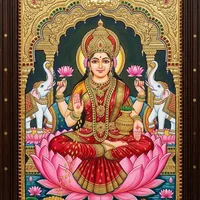
Kanakadhara Stotram
Choose Printable A4 PDF Format (Free Vector Downloads)
Publication-grade vector PDFs with crisp Indic typography, Gita Press recension alignment, and balanced print margins for daily contemplation and temple altars.
Standard Awadhi Devanagari text with complete Dohas and Chaupais.
पाण्डुलिपि एवं पाठ-समीक्षा (Scholarly Textual Apparatus)
Complete Works of Sri Sankaracharya (Vol. 11: Stotras), Sri Vani Vilas Press, Srirangam (1910); Gita Press Lakshmi Stotra Sangraha (Code 258).
Government Oriental Manuscripts Library (GOML) Chennai (MS. D-10142); Kalady Shankara Janmabhumi archival collection.
Bhujangaprayata Chhanda (भुजङ्गप्रयात छन्द - 12 syllables per pada, rhythmic structure of 4 Ya-ganas [।ऽऽ ।ऽऽ ।ऽऽ ।ऽऽ], simulating the graceful serpentine motion of the celestial shower of gold). Classical Carnatic Raga: Raga Yamuna Kalyani / Raga Mohanam, Adi Tala.
Verse 1: 'aṅgaṁ hareḥ pulakabhūṣaṇam' vs 'aṅgaṁ hareḥ praṇayabhūṣaṇam' in Kerala palm-leaf manuscripts. Verse 18: 'bīrājasitasya' vs 'sañjīvanī'.
॥ मुख्य पाठ (Sacred Verses) ॥
भृङ्गाङ्गनेव मुकुलाभरणं तमालम्।
अङ्गीकृताखिलविभूतिरपाङ्गलीला
माङ्गल्यदास्तु मम मङ्गलदेवतायाः॥१॥
bhṛṅgāṅganeva mukulābharaṇaṁ tamālam |
aṅgīkṛtākhila-vibhūtir-apāṅga-līlā
māṅgalya-dāstu mama maṅgala-devatāyāḥ || 1 ||
Even as the honeybee rests upon the blossoming Tamala tree, the glance of Goddess Lakshmi rests affectionately upon the dark form of Lord Hari, causing Him to thrill with joy. May that playful side-glance of the Auspicious Goddess, which is the source of all cosmic wealth, bestow supreme prosperity and well-being upon me.
प्रेमत्रपाप्रणिहितानि गतागतानि।
माला दृशोरमधुकरीव महोत्पले या
सा मे श्रियं दिशतु सागरसम्भवायाः॥२॥
prema-trapā-praṇihitāni gatāgatāni |
mālā dṛśor-amadhukarīva mahotpale yā
sā me śriyaṁ diśatu sāgara-sambhavāyāḥ || 2 ||
Again and again, Her glances move bashfully toward the countenance of Murari and return with sweet modesty, resembling a garland of honeybees fluttering over a magnificent blue lotus. May those glances of the Ocean-born Goddess bestow everlasting spiritual and material abundance upon me.
मानन्दकन्दमनिमेषमनङ्गतन्त्रम्।
आकेकरस्थितकनीनिकपक्ष्मनेत्रं
भूत्यै भवेन्मम भुजङ्गशयाङ्गनायाः॥३॥
m-ānanda-kandam-animeṣam-anaṅga-tantram |
ākekara-sthita-kanīnika-pakṣma-netraṁ
bhūtyai bhaven-mama bhujaṅga-śayāṅganāyāḥ || 3 ||
Looking with supreme delight upon Mukunda, who rests with half-closed eyes in supreme yogic bliss, Her pupils tremble with pure love. May that gaze of the Consort of He who reclines upon the serpent Shesha grant me spiritual glory and boundless prosperity.
हारावलीव हरिनीलमयी विभाति।
कामप्रदा भगवतोऽपि कटाक्षमाला
कल्याणमावहतु मे कमलालयायाः॥४॥
hārāvalīva hari-nīlamayī vibhāti |
kāma-pradā bhagavato'pi kaṭākṣa-mālā
kalyāṇam-āvahatu me kamalālayāyāḥ || 4 ||
Shining upon the broad chest of Lord Vishnu (the conqueror of Madhu) adorned with the Kaustubha gem, Her glance appears like a resplendent necklace of blue sapphires, awakening even in the Supreme Lord the desire to bestow grace. May that continuous stream of glances of Devi Kamalalaya bring auspicious blessings to my life.
धाराधरे स्फुरति या तडिदङ्गनेव।
मातुः समस्तजगतां महनीयमूर्ति-
र्भद्राणि मे दिशतु भार्गवनन्दनायाः॥५॥
dhārā-dhare sphurati yā taḍid-aṅganeva |
mātuḥ samasta-jagatāṁ mahanīya-mūrtir-
bhadrāṇi me diśatu bhārgava-nandanāyāḥ || 5 ||
Like a radiant flash of golden lightning dancing across dark, rain-bearing monsoon clouds, Her form sparkles across the chest of Lord Kaitabhari. May the revered Mother of all the worlds, the beloved daughter of Sage Bhrigu, bestow supreme auspiciousness upon me.
Spiritual & Philosophical Insights
The Power of the Divine Glance (Kataksha)
Shankaracharya does not beg for wealth directly; instead, he extols the benevolent glance of Devi Lakshmi. Even a fleeting, sidelong glance from Her lotus eyes has the power to elevate a pauper to a king and a seeker to enlightenment.
Spiritual and Material Synthesis
In Sanatana Dharma, Lakshmi represents not just material currency, but Ashta Lakshmi: wealth of courage, grains, wisdom, family, and spiritual liberation (Moksha Lakshmi).
Unconditional Compassion
The hymn demonstrates that Lakshmi responds to pure, unselfish devotion and empathy toward the suffering of others rather than selfish greed.
Chanting Rules, Auspicious Timing & Method
Friday morning at sunrise or evening twilight (Pradosha Kaal / Deepa Puja).
Fridays (Shukrawar), Akshaya Tritiya, Dhanteras, and Diwali Lakshmi Puja.
Sit facing East or North on a yellow or clean wool asana.
Light a pure cow’s ghee lamp (two wicks). Offer lotus or fresh fragrant flowers, raw rice mixed with turmeric (Akshata), and kheer or jaggery sweets.
Chant 1 or 3 times with heartfelt devotion. Reciting 3 times every Friday establishes lasting harmony and prosperity in the household.
Authentic Scriptural Merits & Blessings
Relief from Debt and Financial Crises
Tradition and centuries of testimony affirm that sincere recitation helps clear mounting debts and opens new ethical avenues of income.
Domestic Harmony and Grace
Removes domestic strife, discord, and negative planetary afflictions associated with Venus (Shukra).
Inner Fulfillment and Contentment
Cleanses the mind of craving and fills the heart with gratitude and divine peace.
Sacred Etymology & Devotional Glossary
- Kanakadhara
- A continuous torrent or shower of pure gold.
- Kataksha
- The gentle, compassionate side-glance of the Goddess.
- Tamala
- A dark-barked tree, traditionally compared to the dark complexion of Lord Vishnu.
- Murari
- Lord Krishna/Vishnu, the slayer of the demon Mura.
Frequently Asked Devotional Questions
What is the background story of Kanakadhara Stotram?
When Adi Shankaracharya was a young student collecting alms (Bhiksha), he reached the hut of a poor woman who had nothing to eat except a single dry amla fruit. She selflessly offered it to him in tears. Moved to tears by her generosity, Shankara prayed to Goddess Lakshmi with this hymn, and golden gooseberries rained down from the sky.
How many verses are there in Kanakadhara Stotram?
The traditional complete text consists of 21 stanzas in the melodious Vasantatilaka meter, ending with a blessing for prosperity and spiritual wisdom.
What is the best day to recite Kanakadhara Stotram?
Fridays, especially during morning puja or evening twilight, and auspicious festivals like Akshaya Tritiya and Diwali.