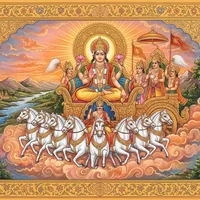
Aditya Hrudayam (Aditya Hridayam)
Choose Printable A4 PDF Format (Free Vector Downloads)
Publication-grade vector PDFs with crisp Indic typography, Gita Press recension alignment, and balanced print margins for daily contemplation and temple altars.
Classical Anushtup metrical translation for ashrams and scholars.
Standardized IAST Roman transliteration with verse-by-verse meanings.
Full Telugu script (తెలుగు) with traditional meter for regional parayana.
पाण्डुलिपि एवं पाठ-समीक्षा (Scholarly Textual Apparatus)
The Valmiki Ramayana Critical Edition, Vol. VI (Yuddha Kanda, Sarga 105), Oriental Institute, M.S. University of Baroda, ed. P.L. Vaidya (1971); collated with Gita Press Gorakhpur Srimad Valmiki Ramayana (Code 1).
37 manuscripts collated across Sharada (Kashmiri), Devanagari, Telugu, Grantha, and Malayalam scripts (Baroda CE critical apparatus).
Vedic-Classical Anushtup Chhanda (Shloka: 8 syllables per pada × 4 = 32 syllables; Pathya cadence with laghu at 5th, guru at 6th and 7th in odd padas). Classical Performance in Raga Bhairav / Raga Saurashtra, Chatusra Eka / Adi Tala.
Verse 4: Southern Grantha manuscripts read 'sarvapāpapraṇāśanam' (destroyer of all sins), while Baroda CE and Northern manuscripts read 'sarvaśatruvināśanam' (destroyer of all adversaries). Verse 25: Variants between 'namo namaḥ' and 'jaya jaya'.
॥ मुख्य पाठ (Sacred Verses) ॥
रावणं चाग्रतो दृष्ट्वा युद्धाय समुपस्थितम्॥
రావణం చాగ్రతో దృష్ట్వా యుద్ధాయ సముపస్థితమ్ ||
Rāvaṇaṁ cāgrato dṛṣṭvā yuddhāya samupasthitam ||
Beholding Lord Rama standing fatigued on the battlefield, engrossed in deep thought, and seeing Ravana standing before Him ready for intense battle...
ततः समरे युद्ध-परिश्रान्तं चिन्तया स्थितं (रामं), युद्धाय अग्रतः समुपस्थितं रावणं च दृष्ट्वा...
[Syntactic Order: Thereupon, seeing Rama exhausted from battle standing immersed in contemplation on the field, and beholding Ravana arrived before Him fully prepared for renewed conflict...]
उपागम्याब्रवीद्राममगस्त्यो भगवानृषिः॥
ఉపాగమ్యాబ్రవీద్రామమగస్త్యో భగవానృషిః ||
Upāgamyābravīdrāmamagastyo bhagavānṛṣiḥ ||
...The venerable sage Agastya, who had arrived along with the celestial gods to witness the battle, approached Rama and spoke as follows:
येन सर्वानरीन्वत्स समरे विजयिष्यसि॥
యేన సర్వానరీన్వత్స సమరే విజయిష్యసి ||
Yena sarvānarīnvatsa samare vijayiṣyasi ||
'O Rama, O mighty-armed Rama! Listen to this eternal secret, by which, my dear child, you shall conquer all your adversaries in combat.'
जयावहं जपेन्नित्यमक्षयं परमं शिवम्॥
జయావహం జపేన్నిత్యమక్షయం పరమం శివమ్ ||
Jayāvahaṁ japennityamakṣayaṁ paramaṁ śivam ||
'This is the sacred Aditya Hrudayam, which annihilates all foes, confers ultimate victory, and is imperishable and supremely auspicious. One should recite it constantly.'
चिन्ताशोकप्रशमनमायुर्वर्धनमुत्तमम्॥
చింతాశోకప్రశమనమాయుర్వర్ధనముత్తమమ్ ||
Cintāśokapraśamanamāyurvardhanamuttamam ||
'It is the most auspicious of all that is auspicious, the destroyer of all sins, the dispeller of anxieties and grief, and the supreme enhancer of longevity.'
पूजयस्व विवस्वन्तं भास्करं भुवनेश्वरम्॥
పూజయస్వ వివస్వంతం భాస్కరం భువనేశ్వరమ్ ||
Pūjayasva vivasvantaṁ bhāskaraṁ bhuvaneśvaram ||
'Worship the radiant Sun, the creator of light (Bhaskara), adorned with effulgent rays, rising majestically, saluted by both gods and demons, and sovereign ruler of the universe.'
एष देवासुरगणांल्लोकान् पाति गभस्तिभिः॥
ఏష దేవాసురగణాంఁల్లోకాన్ పాతి గభస్తిభిః ||
Eṣa devāsuragaṇām̐llokān pāti gabhastibhiḥ ||
'He indeed is the embodiment of all divinities, replete with fiery energy, nourishing all creation through His rays. He protects the celestials, demons, and mortal worlds through His effulgence.'
महेन्द्रो धनदः कालो यमः सोमो ह्यपां पतिः॥
మహేంద్రో ధనదః కాలో యమః సోమో హ్యపాం పతిః ||
Mahendro dhanadaḥ kālo yamaḥ somo hyapāṁ patiḥ ||
'He is Brahma the creator, Vishnu the preserver, Shiva the transformer, Skanda, Prajapati, Indra the king of gods, Kubera the dispenser of wealth, Kala (Time), Yama (Lord of death), Soma (the Moon), and Varuna the Lord of waters.'
वायुर्वह्निः प्रजाप्राण ऋतुकर्ता प्रभाकरः॥
వాయుర్వహ్నిః ప్రజాప్రాణ ఋతుకర్తా ప్రభాకరః ||
Vāyurvahniḥ prajāprāṇa ṛtukartā prabhākaraḥ ||
'He is the Pitris (ancestors), the eight Vasus, the Sadhyas, the twin Ashvins, the Maruts (wind gods), Manu, Vayu (air), Agni (fire), the vital breath of all creatures, the architect of seasons, and the creator of light.'
सुवर्णसदृशो भानुर्हिरण्यरेता दिवाकरः॥
సువర్ణసదృశో భానుర్హిరణ్యరేతా దివాకరః ||
Suvarṇasadṛśo bhānurhiraṇyaretā divākaraḥ ||
'He is Aditya (son of Aditi), Savita (the instigator of life), Surya (the moving luminary), Khaga (traversing the heavens), Pushan (the nourisher), luminous with brilliant rays, gleaming like burnished gold, the golden cosmic seed, and the maker of the day.'
तिमिरोन्मथनः शम्भुस्त्वष्टा मार्तण्ड अंशुमान्॥
తిమిరోన్మథనః శమ్భుస్త్వష్టా మార్తండ అంశుమాన్ ||
Timironmathanaḥ śambhustvaṣṭā mārtaṇḍa aṁśumān ||
'He has tawny-green steeds, thousands of blazing beams, seven harnessed horses, rays of cosmic light, the destroyer of darkness, the harbinger of happiness (Shambhu), the divine shaper (Tvashta), the life-giver born of the cosmic egg (Martanda), and the radiant one.'
अग्निगर्भोऽदितेः पुत्रः शङ्खः शिशिरनाशनः॥
అగ్నిగర్భోఽదితేః పుత్రః శంఖః శిశిరనాశనః ||
Agnigarbho'diteḥ putraḥ śaṅkhaḥ śiśiranāśanaḥ ||
'He is Hiranyagarbha (the golden cosmic womb), cool and soothing to worshippers, heat-generating, radiant, praised by all, womb of celestial fire, son of Aditi, pacifier of the freezing cold, and blissful master.'
घनवृष्टिरपां मित्रो विन्ध्यवीथीप्लवङ्गमः॥
ఘనవృష్టిరపాం మిత్రో వింధ్యవీథీప్లవంగమః ||
Ghanavṛṣṭirapāṁ mitro vindhyavīthīplavaṅgamaḥ ||
'Lord of the vault of heaven, dispeller of darkness, master of the Rig, Yajur, and Sama Vedas, sender of heavy rains, friend of waters, swiftly crossing the Vindhya skies.'
कविर्विश्वो महातेजा रक्तः सर्वभवोद्भवः॥
కవిర్విశ్వో మహాతేజా రక్తః సర్వభవోద్భవః ||
Kavirviśvo mahātejā raktaḥ sarvabhavodbhavaḥ ||
'The generator of heat, crowned in a luminous orb, the death of impurities, golden-amber hued, scorcher of all things, the supreme seer-poet, the universe Himself, extraordinarily brilliant, loving, and origin of all existence.'
तेजसामपि तेजस्वी द्वादशात्मन् नमोऽस्तु ते॥
తేజసామపి తేజస్వీ ద్వాదశాత్మన్ నమోఽస్తు తే ||
Tejasāmapi tejasvī dvādaśātman namo'stu te ||
'Sovereign master of the lunar constellations, planets, and celestial stars, nurturer of the universe, the most effulgent among all effulgent beings, manifest in twelve solar aspects (Dvadashatman) - salutations unto You!'

॥ भुवनभास्कर सर्वदेवमय स्तवन (The Universal Sovereign of Light) ॥
Sage Agastya reveals to Lord Rama that Lord Surya is the indwelling cosmic consciousness of Brahma, Vishnu, and Shiva, the eternal witness whose worship dispels battle fatigue and grants immediate victory.
ज्योतिर्गणानां पतये दिनाधिपतये नमः॥
జ్యోతిర్గణానాం పతయే దినాధిపతయే నమః ||
Jyotirgaṇānāṁ pataye dinādhipataye namaḥ ||
'Salutations to You who rise from the eastern mountains and set upon the western hills. Salutations to the Lord of the celestial stellar hosts and the supreme sovereign of the day!'
नमो नमः सहस्रांशो आदित्याय नमो नमः॥
నమో నమః సహస్రాంశో ఆదిత్యాయ నమో నమః ||
Namo namaḥ sahasrāṁśo ādityāya namo namaḥ ||
'Salutations to the Victorious One, the bestower of auspicious victory, the driver of green steeds! Salutations, repeatedly salutations to the thousand-rayed Sun, the son of Aditi!'
नमः पद्मप्रबोधाय मार्ताण्डाय नमो नमः॥
నమః పద్మప్రబోధాయ మార్తాండాయ నమో నమః ||
Namaḥ padmaprabodhāya mārtāṇḍāya namo namaḥ ||
'Salutations to the fierce one, to the heroic champion, to the swift traveler across constellations! Salutations to the awakener of the lotus, salutations to Martanda!'
भास्वते सर्वभक्षाय रौद्राय वपुषे नमः॥
భాస్వతే సర్వభక్షాయ రౌద్రాయ వపుషే నమః ||
Bhāsvate sarvabhakṣāya raudrāya vapuṣe namaḥ ||
'Salutations to the Lord of Brahma, Shiva, and Achyuta (Vishnu), to Surya possessing the glory of Aditi, the refulgent one, the consumer of all things, assuming a formidable cosmic form!'
कृतघ्नघ्नाय देवाय ज्योतिषां पतये नमः॥
కృతఘ్నఘ్నాయ దేవాయ జ్యోతిషాం పతయే నమః ||
Kṛtaghnaghnāya devāya jyotiṣāṁ pataye namaḥ ||
'Salutations to the dispeller of darkness, the destroyer of cold, the vanquisher of adversaries, the boundless cosmic soul, the punisher of the ungrateful, the effulgent Lord of lights!'
नमस्तमोऽभिनिघ्नाय रुचये लोकसाक्षिणे॥
నమస్తమోఽభినిఘ్నాయ రుచయే లోకసాక్షిణే ||
Namastamo'bhinighnāya rucaye lokasākṣiṇe ||
'Salutations to Him whose radiance resembles molten refined gold, the cosmic fire, the architect of the universe (Vishwakarma), the shatterer of darkness, the supreme light, the eternal witness of all the worlds!'
पायत्येष तपत्येष वर्षत्येष गभस्तिभिः॥
పాయత్యేష తపత్యేష వర్షత్యేష గభస్తిభిః ||
Pāyatyeṣa tapatyeṣa varṣatyeṣa gabhastibhiḥ ||
'This Lord alone dissolves all created beings and then recreates them anew. He sustains, He scorches with heat, and He showers forth rains through His radiant rays.'
एष एवाग्निहोत्रं च फलं चैवाग्निहोत्रिणाम्॥
ఏష ఏవాగ్నిహోత్రం చ ఫలం చైవాగ్నిహోత్రిణామ్ ||
Eṣa evāgnihotraṁ ca phalaṁ caivāgnihotriṇām ||
'He remains awake within all living creatures even while they sleep, abiding in their innermost hearts. He alone is the sacred Agnihotra sacrifice and the divine fruit reaped by the sacrificers.'
यानि कृत्यानि लोकेषु सर्व एष रविः प्रभुः॥
యాని కృత్యాని లోకేషు సర్వ ఏష రవిః ప్రభుః ||
Yāni kṛtyāni lokeṣu sarva eṣa raviḥ prabhuḥ ||
'He is the Vedas, the Vedic sacrifices, and the fruit of all rituals. Whatever righteous duties are accomplished in all the worlds, Lord Ravi is the sovereign soul of them all.'
कीर्तयन् पुरुषः कश्चिन्नावसीदति राघव॥
కీర్తయన్ పురుషః కశ్చిన్నావసీదతి రాఘవ ||
Kīrtayan puruṣaḥ kaścinnāvasīdati rāghava ||
'O Raghava! Anyone who glorifies Him in times of grave danger, painful trials, dense wilderness, or overwhelming fear never sinks into distress or defeat!'
एतत् त्रिगुणितं जप्त्वा युद्धेषु विजयिष्यसि॥
ఏతత్ త్రిగుణితం జప్త్వా యుద్ధేషు విజయిష్యసి ||
Etat triguṇitaṁ japtvā yuddheṣu vijayiṣyasi ||
'Worship this God of gods, the Lord of the cosmos, with one-pointed focus. Reciting this hymn three times, you shall achieve triumphant victory in this battle!'
एवमुक्त्वा तदागस्त्यो जगाम च यथागतम्॥
ఏవముక్త్వా తదాగస్త్యో జగామ చ యథాగతమ్ ||
Evamuktvā tadāgastyo jagāma ca yathāgatam ||
'In this very moment, O mighty-armed hero, you shall slay Ravana!' Having spoken thus, the revered sage Agastya departed as he had arrived.
धारयामास सुप्रीतो राघवः प्रयतात्मवान्॥
ధారయామాస సుప్రీతో రాఘవః ప్రయతాత్మవాన్ ||
Dhārayāmāsa suprīto rāghavaḥ prayatātmavān ||
Hearing this wisdom, the intensely effulgent Rama was instantly freed from all sorrow. With immense delight and a purified, concentrated mind, He committed this sacred hymn to heart.
त्रिराचम्य शुचिर्भूत्वा धनुरादाय वीर्यवान्॥
త్రిరాచమ్య శుచిర్భూత్వా ధనురాదాయ వీర్యవాన్ ||
Trirācamya śucirbhūtvā dhanurādāya vīryavān ||
Gazing upon the Sun God and chanting the stotra three times, Rama attained supreme bliss. Performing Achamana (ritual sipping of water) thrice to purify Himself, the valorous hero grasped His mighty bow.
सर्वयत्नेन महता वधे तस्य धृतोऽभवत्॥
సర్వయత్నేన మహతా వధే తస్య ధృతోఽభవత్ ||
Sarvayatnena mahatā vadhe tasya dhṛto'bhavat ||
Beholding Ravana before Him, Rama advanced toward combat with an invigorated heart, resolved with all supreme effort to bring about the demon king's destruction.
मुदितमनाः परमं प्रहृष्यमाणः।
निशिचरपतिसंक्षयं विदित्वा
सुरगणमध्यगतो वचस्त्वरेति॥
ముదితమనాః పరమం ప్రహృష్యమాణః |
నిశిచరపతిసంక్షయం విదిత్వా
సురగణమధ్యగతో వచస్త్వరేతి ||
muditamanāḥ paramaṁ prahṛṣyamāṇaḥ |
Niśicarapatisaṁkṣayaṁ viditvā
suragaṇamadhyagato vacastvareti ||
Then, knowing the impending destruction of the king of demons (Ravana), Lord Ravi, seated in the midst of the celestial hosts with an overjoyed heart, looked down upon Rama and joyfully exclaimed: 'Hasten! Hasten!'
Spiritual & Philosophical Insights
Cosmic Identification (Verses 4–8)
Sage Agastya explains that Surya is not merely a physical celestial orb, but the visible Brahman, incorporating the powers of Brahma (creation), Vishnu (sustenance), Shiva (transformation), Skanda, Indra, and Prajapati.
The Solar Epithets (Verses 9–24)
The stotra employs profound Sanskrit titles: Mihira (he who showers clouds and light), Ravi (revered by all), Bhaskara (creator of effulgence), Hiranyagarbha (the golden cosmic seed), and Martanda (born from the cosmic egg).
Chanting Vidhi & Sunday Worship
Traditionally chanted at sunrise facing east after a purifying morning ablution. Chanting on Sundays (Ravivara) or during Surya Sankranti is regarded as exceptionally meritorious for vitality, clarity of intellect, and overcoming obstacles.
Chanting Rules, Auspicious Timing & Method
Dawn (Arunodaya to Suryodaya) when the first rays of the Sun illuminate the sky.
Sundays (Ravivara), Ratha Saptami, Makar Sankranti, and the first day of every solar month.
Stand or sit with an erect posture facing East toward the rising Sun.
Offer water (Surya Arghya) from a clean copper vessel containing water, red sandalwood, red flowers, and unbroken rice grains (akshata). Light a ghee lamp and incense.
Traditionally chanted 3 times (Triravrittya) as explicitly advised by Sage Agastya to Lord Rama before the decisive battle with Ravana.
Authentic Scriptural Merits & Blessings
Victory Over Adversaries and Despair
Verses 26–30 affirm that whoever recites this solar hymn in the face of fear, danger, or battlefield anxiety attains triumphant victory and banishes all despondency.
Destruction of Internal Sins & Darkness
Verses 29–30 declare that Lord Surya destroys all moral impurities and dispels inner spiritual darkness.
Vitality, Health and Longevity
Regular recitation strengthens the nervous system, purifies the bloodstream, and grants unwavering mental resolve.
Sacred Etymology & Devotional Glossary
- Aditya
- The divine son of Aditi (the boundless cosmic mother), representing the unconditioned light of reality.
- Hrudayam
- The inner core, heart, or esoteric essence of the solar mystery.
- Vivasvan
- The radiant one whose light sustains all plant, animal, and human life.
- Hiranyagarbha
- The primordial golden womb or cosmic egg from which creation unfolds.
- Martanda
- The solar deity who dispels inert matter and infuses living warmth.
Frequently Asked Devotional Questions
Where is Aditya Hrudayam found in the original scriptures?
Aditya Hrudayam is found in the 105th Sarga (chapter) of the Yuddha Kanda in Sage Valmiki's Srimad Ramayana. It was imparted to Lord Rama by Maharshi Agastya on the battlefield of Lanka before the final confrontation with Ravana.
What are the main benefits of chanting Aditya Hrudayam?
Aditya Hrudayam infuses extraordinary courage, removes mental fatigue, dispels severe depression or self-doubt, cures chronic health issues, and grants success in righteous undertakings by invoking the vital energy of Lord Surya.
What is the correct method to recite Aditya Hrudayam?
Recite it in the early morning facing East toward the rising sun. Offering water (Arghya) from a copper vessel while reciting Surya mantras before chanting the 31 verses brings profound focus and spiritual alignment.
How many times did Lord Rama recite Aditya Hrudayam on the battlefield?
According to Valmiki Ramayana Yuddha Kanda (Verses 28–29), Sage Agastya instructed Lord Rama to recite the hymn three times (Triravrittya). Upon doing so with consecrated water, Rama felt renewed divine energy and vanquished Ravana.
How can I download the free printable Aditya Hrudayam PDF?
You can download the authentic, high-resolution vector A4 PDF of Aditya Hrudayam directly from our PDF Library in Sanskrit Devanagari, English transliteration with meaning, and Telugu script without registration.