What this tool is for
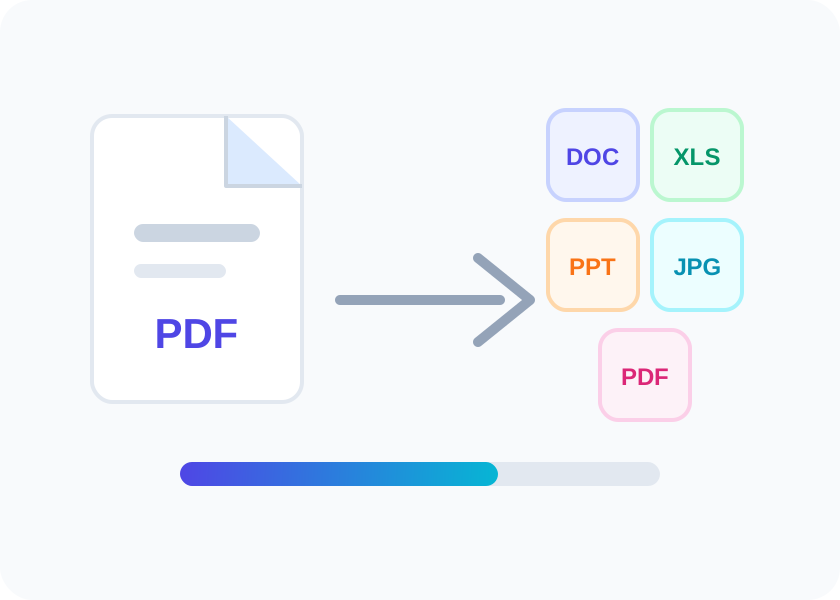
PPT to PDF is designed for a focused PDF task: convert PowerPoint slides into a polished PDF deck. It is useful when you want the job done from a browser without searching through a large desktop PDF editor or sending the file through a confusing multi-step menu.
The page is also written for people searching for PPT to PDF converter who need a practical answer before they upload a document. You can see accepted file types, privacy notes, related tools, and the expected output before you commit to the workflow.
Who should use it
PPT to PDF is useful for anyone who needs to send a stable file format from Word, Excel, PowerPoint, images, plain text, or web content without asking the receiver to install the original app. The layout keeps the main upload action close to the top, then supports it with guidance for file quality, mobile use, and the next PDF step. That makes it easier to finish one task and move on.
If your document includes private business data, client records, contracts, signatures, invoices, academic material, or scanned pages, review the privacy notice before processing. The site uses temporary storage, randomized filenames, CSRF checks, and provider-based processing so the workflow can be deployed on shared hosting without heavy local binaries.
How to use it
Start by choosing the file type listed in the upload box. For tools that need more than one file, such as merge or image-to-PDF workflows, select all files in the order you want them processed. For page tools, enter page ranges only when you want to affect part of the document.
After upload, the PHP layer checks the file extension, detected MIME type, file size, CSRF token, and session rate limit. When production API keys are configured, the stored temporary file is sent to the hosted provider, the processed result is downloaded back to the private processed folder, and a short-lived download link is created for your session.
How to get better output
Source quality matters. Keep the original file free from broken images, missing fonts, unsupported macros, and hidden sheets before converting it to PDF.
After using PPT to PDF, open the PDF and check page size, margins, hyperlinks, images, and text wrapping. A quick review catches most issues before the file reaches a client or upload portal.
Mobile and browser workflow
The interface is built mobile-first, so the upload area, buttons, tool options, and related links are easy to tap on a small screen. The same shared header and footer load on every page, which helps users move between PPT to PDF, the tools hub, tutorials, policies, and contact information without getting lost.
On slow connections, keep the browser tab open until the result appears. Large PDFs, scanned documents, image-heavy files, and Office conversions can take longer than plain text PDFs. For production, the API timeout and upload limit can be adjusted in the configuration file to match your hosting plan and provider limits.
Privacy, permission, and limits
Only upload files you own or have permission to process. Security tools do not support password cracking, and unlock workflows require the correct password from the document owner. AI tools can help summarize, translate, and question a document, but you should verify important output against the original PDF.
Temporary uploads and processed files are blocked from direct public access by Apache rules and are cleaned after the configured retention period. The public page stays indexable because it contains useful instructions and a real processing path, while upload, result, and download URLs stay out of the sitemap and are blocked from crawling.
What happens after processing
A finished result should match the goal of the page: a processed document that matches the selected tool settings Download the file, open it once, and check the pages, text, images, tables, form fields, or signatures before sending it to another person. If the result needs another step, use the related tools section instead of starting over from the homepage.
Production processing for this page uses PDF.co hosted PDF processing API. If an API key is missing, the site shows a clear setup message instead of pretending the conversion worked. That keeps the user experience honest and helps avoid thin pages or fake tool behavior during AdSense and search review.